Tech in 2026: Expectation vs. Reality
Reading time: 6 minutesㅤ
In recent years, the technology sector has experienced a curious phenomenon: a massive wave of expectations built around the developer profession.
Between 2020 and 2022, during the height of the pandemic, the tech industry saw a true boom. Companies accelerated their digital transformation, online services grew exponentially, and the demand for developers surged at an unprecedented pace.
In this scenario, many professionals migrated to tech motivated by promises of:
- Fast-tracked high salaries
- Remote work freedom
- Endless job demand
- Accelerated career growth
Indeed, many of these opportunities existed. However, as the market matured and the influx of new professionals increased, reality began to set in.
In this article, we will explore the main contrasts between expectation and reality when working in tech in 2026.
1. Expectation: Coding All Day Long

During college or coding bootcamps, many students imagine that a developer's routine consists solely of writing code from dawn to dusk.
The classic image of a programmer is someone sitting in front of a screen solving complex puzzles, creating elegant solutions, and constantly innovating through syntax.
This vision suggests that working in tech is mainly about:
- Writing code 8 hours a day
- Solving problems in isolation
- Building new features from scratch
- Programming from start to finish
1. Reality: Meetings, Debugging, and Reading Code

In practice, writing code is just one part of a developer's job. A significant portion of the routine involves understanding problems, discussing solutions, and collaborating with the team.
In many companies, especially those using Agile methodologies, the daily routine includes:
- Daily standups
- Task refinement (Grooming)
- Sprint planning
- Code reviews
- Debugging complex issues
Furthermore, developers spend a lot of time simply reading existing code. Most production systems have been running for years, and the job often involves understanding how something was implemented before making any changes.
In short: you will likely read much more code than you write.
2. Expectation: Sky-high Salaries Overnight
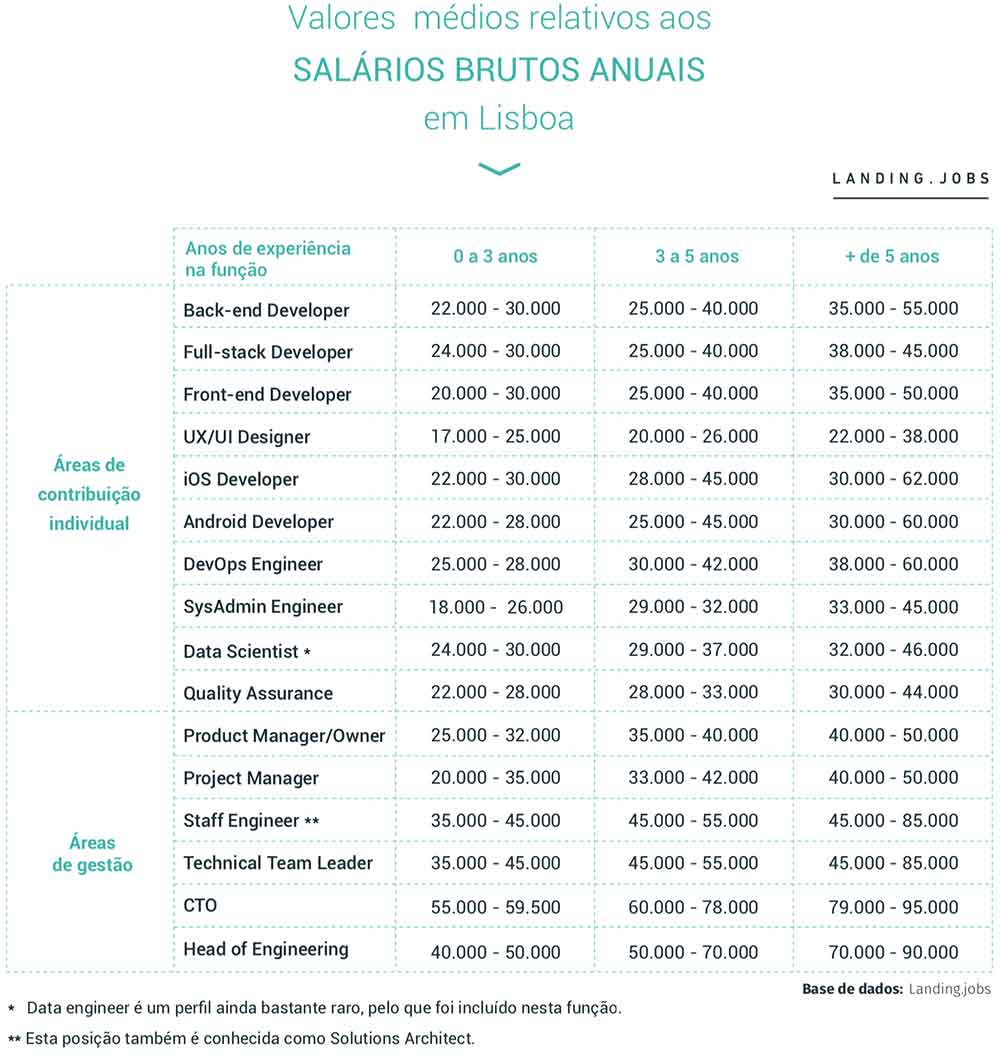
During the tech boom, stories went viral about people switching careers and earning six-figure salaries in just a few months. Influencers reinforced the idea that learning to code was a guaranteed shortcut to financial stability.
2. Reality: Growth Takes Time

While tech remains one of the best-paying fields, professional growth is a marathon. The early years can be challenging because:
- Entry-level roles often demand prior experience (internships/projects)
- Selection processes have become more rigorous and technical
- Competition for Junior positions has significantly increased
High salaries usually come when the professional accumulates practical experience, system architecture vision, and business acumen.
3. Expectation: Working Only with "Sexy" Tech
Many developers enter the field dreaming of working exclusively with:
- Generative AI
- Microservices
- Cutting-edge Cloud Computing
- Distributed Architectures
3. Reality: Legacy Systems are Everywhere
In the real world, a huge part of the global economy still runs on systems built a decade ago. Legacy systems are common and often sustain critical business operations.
You will frequently encounter:
- Code written over 10 years ago
- Outdated frameworks
- Monolithic architectures
- Incomplete documentation
While working on legacy code might seem less "cool," keeping these systems running is extremely valuable and requires high-level engineering skills.
4. Expectation: AI Will Replace Programmers
With the rise of Generative AI, many feared that programmers would become obsolete. The question was: "If AI can write code, do we still need developers?"
4. Reality: AI is the Developer's Ultimate Tool
In 2026, AI has become a developer's best friend, not their replacement. It helps with:
- Generating boilerplate code
- Explaining complex snippets
- Suggesting optimizations
- Speeding up documentation
However, critical decisions—architecture, technical trade-offs, and understanding user requirements—still depend on human engineers. AI is a powerful copilot, not the pilot.
5. Expectation: The Flawless Remote Life
The dream of "working from anywhere" is a major draw. People imagine:
- Total schedule flexibility
- No commute stress
- Perfect work-life balance
5. Reality: Discipline is Non-Negotiable
Remote work requires intense self-management. Without structure, productivity can plummet. It demands:
- Expert time management
- Proactive communication
- High autonomy and accountability
In practice, working remotely means you are solely responsible for your environment and performance.
6. Expectation: Being a "Code Wizard" is Enough
Many believe that mastering a programming language is the only requirement for success. The logic is: "The better my code, the faster I'll be promoted."
6. Reality: Communication is a Superpower
Tech is a team sport. Developers constantly interact with Designers, Product Managers, and Stakeholders. Being able to explain technical solutions in "plain English" and understanding the business problem is often what separates a Senior developer from a Junior.
7. Expectation: A Linear Career Path
Junior → Mid-level → Senior → Lead. A straight line to the top.
7. Reality: The Path is Non-Linear
Tech careers are unpredictable. You might start in Backend, move to DevOps, jump into Data Engineering, or even pivot to Product Management. This flexibility is what makes the industry so dynamic and resilient.
Conclusion
Despite the gaps between expectation and reality, tech remains one of the most rewarding and fascinating fields to work in.
The key is to look past the "romanticized" version of the job. A career in tech requires constant learning, curiosity, and adaptability.
The reality might not be exactly what the "sell" was, but that doesn't mean the journey isn't worth it.